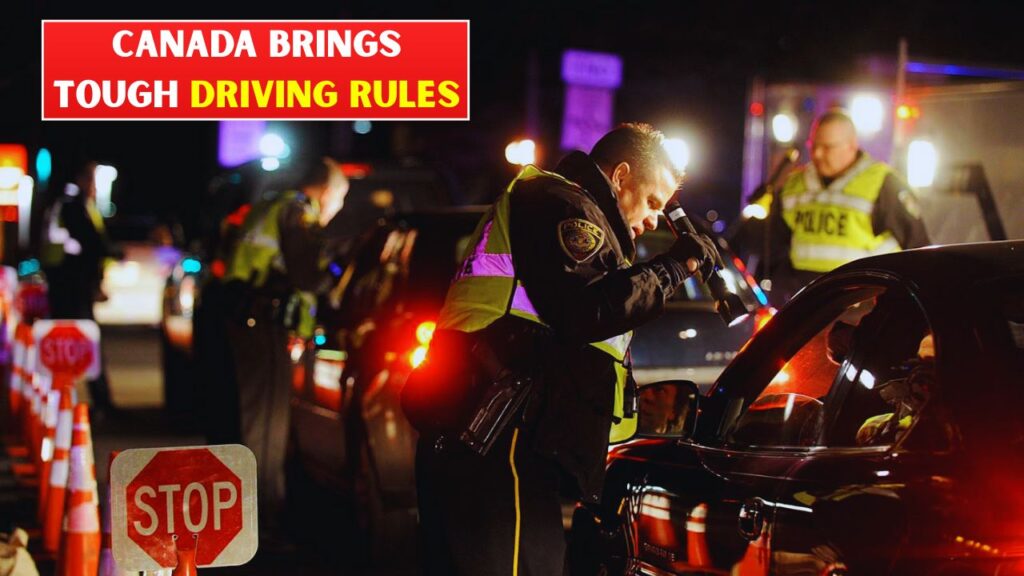
Canada Introduces Tougher Driving Rules – Canada is set to overhaul its road safety framework with a new wave of stricter driving regulations taking effect from February 2026. The updated rules aim to reduce accidents, discourage reckless behaviour, and bring consistency to traffic enforcement across the country. With fines climbing as high as $2000 for serious violations, drivers are being urged to stay informed and adapt early. These changes reflect a growing focus on public safety, accountability, and modern traffic management throughout Canada, especially as traffic volumes and urban congestion continue to rise nationwide.
Stricter Driving Laws Update for Canadian Drivers in 2026
The stricter driving laws update coming in February 2026 will significantly impact Canadian drivers across all provinces. Authorities are introducing higher penalties for offences such as excessive speeding, distracted driving, impaired driving, and repeated violations. The goal is not only punishment but also prevention, encouraging safer habits on the road. Canadian drivers who accumulate multiple offences may face heavier fines, longer suspensions, and mandatory safety courses. Officials have emphasized that consistent enforcement nationwide will close loopholes that previously allowed repeat offenders to escape serious consequences, making road safety a shared responsibility across Canada.
Canada-Wide Traffic Rule Changes and Rising Fines Explained
The new Canada-wide traffic rule changes are designed to standardize penalties and enforcement across provinces and territories. Under the updated framework, fines for high-risk offences can reach up to $2000, depending on severity and frequency. Canadian motorists should note that penalties will scale faster for repeat violations, reflecting a zero-tolerance approach to dangerous driving. Lawmakers believe these measures will align provincial systems, reduce confusion for interprovincial travelers, and improve compliance. For many drivers, understanding how these new fines apply will be essential to avoiding costly penalties and legal trouble.

| Violation Type | Previous Penalty | New Penalty (2026) |
|---|---|---|
| Excessive Speeding | Up to $500 | Up to $2000 |
| Distracted Driving | $300–$500 | $1000+ |
| Impaired Driving | Varied by province | Higher fines + suspension |
| Repeat Offences | Limited escalation | Rapid penalty increase |
New Road Safety Penalties Affecting Motorists Across Canada
The introduction of new road safety penalties will affect motorists across Canada regardless of location. Federal coordination with provincial governments ensures that enforcement standards remain uniform, reducing inconsistencies between regions. Canadian motorists caught violating the updated rules may face immediate financial penalties, demerit points, and possible license suspensions. The emphasis is on protecting vulnerable road users, including pedestrians and cyclists. By increasing fines and consequences, authorities aim to shift driver behaviour toward caution and awareness, ultimately reducing collisions and improving overall road safety nationwide.
How February 2026 Driving Rules Impact Canadian Residents
For Canadian residents, the February 2026 driving rules mark a clear shift toward accountability and prevention. Everyday drivers, commuters, and commercial vehicle operators will need to stay updated on local enforcement practices under the national framework. Canadian residents who rely on driving for work or family responsibilities may find that even minor violations carry steeper consequences. Officials recommend reviewing provincial guidelines, monitoring driving habits, and adopting safer practices well before the rules take effect to avoid unexpected fines or legal complications.
Frequently Asked Questions (FAQs)
 Goodbye to Pension Confusion: Updated National Pension Rates Roll Out From 10 February 2026
1. When do the new driving rules start in Canada?
The updated driving rules and higher fines will take effect nationwide from February 2026.
2. What is the maximum fine under the new regulations?
Serious violations can now attract fines of up to $2000 depending on offence severity.
3. Do the rules apply equally across all provinces?
Yes, the changes are designed to create consistent enforcement across all Canadian provinces and territories.
4. How can drivers avoid penalties under the new system?
Staying informed, following traffic laws strictly, and avoiding repeat offences will help drivers remain compliant.