Goodbye Old Graduated Licensing Rules – In 2026, Canada is set to introduce significant changes to its graduated licensing system, affecting all provinces. This overhaul will impact new drivers, current license holders, and driving education across the country. The updates are designed to improve road safety, make the licensing process more streamlined, and address issues related to driver competency. This article will explore the major changes expected, who will be impacted, and how these modifications are set to reshape Canada’s driving regulations.
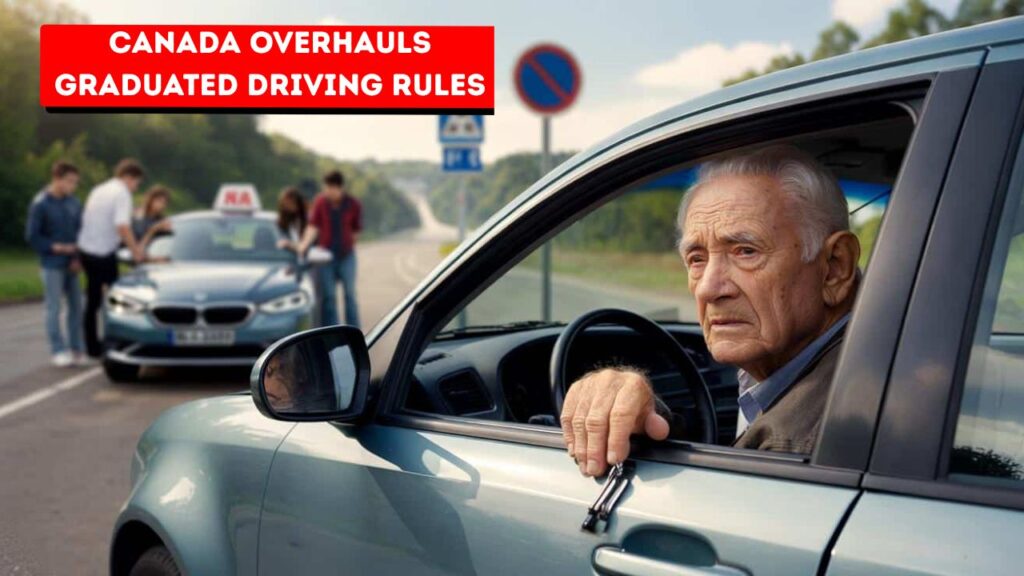
Changes to Canada’s Graduated Licensing System in 2026
Canada’s current graduated licensing system has been in place for several years, but as of 2026, substantial revisions are expected. The new rules will create a more standardized process for obtaining a driver’s license, focusing on improving safety and driver readiness. As part of these reforms, there will be new age requirements, extended learner periods, and stricter testing protocols. This means that Canadian residents aiming to get their driver’s license will face new hurdles, but these changes are designed to ensure that only competent and responsible drivers are on the road.
Impact of the Graduated Licensing Overhaul on Canadian Drivers
The overhaul of Canada’s graduated licensing system will have a profound impact on new drivers and those currently in the process of obtaining their licenses. One of the most significant changes includes longer probationary periods for novice drivers, giving them more time to hone their skills before achieving full licensure. In addition, drivers will be required to complete more comprehensive driver education programs, ensuring they are well-prepared for the challenges of driving in varying conditions. The Canadian government hopes these reforms will reduce the number of road accidents involving inexperienced drivers.

| Change | Details |
|---|---|
| Extended Learner Period | New drivers must hold a learner’s permit for at least 12 months before testing for their full license. |
| Stricter Testing Requirements | Enhanced practical and written tests, focusing on both basic skills and hazard recognition. |
| Mandatory Driver Education | Completion of a certified driver education program will be required before progressing to the next level of licensing. |
| Age Requirements | The minimum age for applying for a learner’s permit will be raised to 18 years across several provinces. |
How Canada’s Provinces Are Preparing for Licensing Changes
The provinces are actively preparing for the changes to the licensing system by adjusting their local regulations and offering enhanced support for driver education programs. Some provinces, such as Ontario and British Columbia, have already begun rolling out awareness campaigns to inform the public about the upcoming shifts. Additionally, road safety organizations are collaborating with government bodies to improve training programs and ensure the safe integration of the new rules into Canada’s diverse driving environment. These steps will help ensure that drivers across the country are adequately prepared for the road ahead.
What These Changes Mean for Canadian Drivers
The introduction of these new graduated licensing rules marks a significant shift in how Canada views and handles driver safety. For new drivers, it means a longer road to full independence, but ultimately, a higher level of skill and readiness when they finally get their full license. For older drivers or those with existing permits, the changes may necessitate additional training or compliance with new regulations. Regardless, the aim is to create a safer driving environment across the country.
Frequently Asked Questions (FAQs)
 Goodbye to Pension Confusion: Updated National Pension Rates Roll Out From 10 February 2026
1. When will the new licensing rules take effect in Canada?
The new rules are set to take effect in 2026, with specific dates varying by province.
2. Who will be affected by these changes?
New drivers, individuals applying for their first license, and those already in the graduated system will be impacted by the changes.
3. Do I need to retake the driving test if I already have a license?
Existing license holders will not need to retake their tests, but they may need to comply with new requirements for renewals.
4. Will the new rules be the same in every province?
While the changes will be broadly similar, each province may adjust certain rules to fit local needs and circumstances.