Goodbye to Old Driving Rules – The road safety landscape in Canada is set to change drastically starting from 5 February 2026. New laws will introduce tougher penalties for traffic violations, with fines reaching as high as $2,000. This major shift aims to improve road safety across the nation by targeting reckless driving and other hazardous behaviors. Canadian citizens will need to adapt to these updated rules, as stricter penalties could significantly impact those who fail to comply. In this article, we’ll discuss the details of these changes and their implications for drivers in Canada.
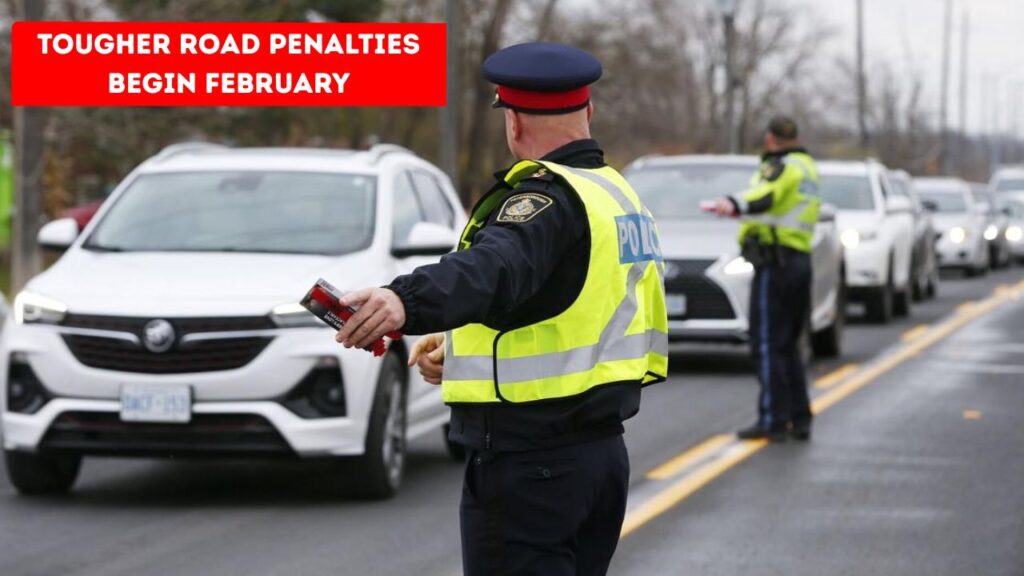
New Road Safety Rules Across Canada
Starting 5 February 2026, Canadian drivers will face stricter penalties for a range of traffic violations, with fines reaching as much as $2,000 for offenses such as distracted driving, speeding, and aggressive driving. The Canadian government has introduced these measures as part of a broader initiative to curb road accidents and fatalities. The new rules apply nationwide, with the aim of making Canada’s roads safer for all users, including pedestrians, cyclists, and other drivers. These changes signal a commitment to enforcing stricter road safety regulations across Canada.
Impact of New Driving Penalties on Canadians
The introduction of higher fines and stricter road rules will have a considerable effect on Canadian drivers. Individuals found guilty of reckless driving, excessive speeding, or using a mobile phone while driving will face hefty fines, potentially up to $2,000. These measures are part of Canada’s ongoing efforts to reduce road accidents, many of which are caused by speeding and distracted driving. The updated penalties aim to deter unsafe behaviors and encourage responsible driving across the nation. Drivers will need to be more mindful of traffic laws to avoid costly fines.

| Violation | Old Penalty | New Penalty (From 5 February 2026) |
|---|---|---|
| Speeding | $200 – $500 | $500 – $2,000 |
| Using a Mobile Phone | $100 – $200 | $500 – $1,500 |
| Reckless Driving | $1,000 | $1,500 – $2,000 |
| Driving Without a Seatbelt | $150 | $500 |
Enforcement and Compliance Across Canadian Provinces
The enforcement of these new traffic penalties will vary across the Canadian provinces, though all provinces will see an uptick in penalties for violations. Police and traffic authorities across Canada will be given additional resources to monitor and enforce these rules more effectively. Local governments are encouraged to implement additional measures, such as road safety education campaigns, to ensure that drivers are aware of the updated penalties. These efforts will ensure uniform enforcement of these laws nationwide, providing a clear message to drivers that reckless behavior will no longer be tolerated.
How Canadians Can Prepare for the Upcoming Changes
To avoid the hefty penalties set to be enforced starting 5 February 2026, Canadian drivers should familiarize themselves with the updated traffic laws. Taking extra precautions, such as refraining from using mobile phones while driving and ensuring speed limits are strictly followed, will help in avoiding costly fines. Additionally, educating oneself on the specific regulations in each province will be crucial, as there may be variations in enforcement practices. By staying informed and practicing safe driving, Canadians can avoid the financial burden of these new penalties.
Frequently Asked Questions (FAQs)
 Goodbye to Pension Confusion: Updated National Pension Rates Roll Out From 10 February 2026
1. What new penalties will be introduced in Canada?
The new penalties will include fines of up to $2,000 for offenses such as distracted driving, speeding, and reckless driving.
2. When will the new driving rules come into effect?
The new rules will come into effect on 5 February 2026, bringing stricter penalties across Canada.
3. How can Canadian drivers avoid these penalties?
Canadian drivers can avoid these penalties by following traffic laws, avoiding distractions while driving, and adhering to speed limits.
4. Will these changes affect all provinces in Canada?
Yes, the new rules will apply nationwide, but enforcement may vary slightly depending on the province.